Buy omnichannel.eu ?
We are moving the project
omnichannel.eu .
Are you interested in purchasing the domain
omnichannel.eu ?
domain@kv-gmbh.de · 0541-91531010
Buy omnichannel.eu ?
Which sealer for concrete is non-toxic?
One non-toxic sealer for concrete is a water-based acrylic sealer. This type of sealer is low in volatile organic compounds (VOCs) and is environmentally friendly. It provides a clear finish that protects the concrete surface without emitting harmful fumes. Water-based acrylic sealers are a popular choice for indoor concrete surfaces where non-toxicity is a priority. **
Which sealant for concrete is non-toxic?
One non-toxic sealant for concrete is a water-based acrylic sealant. This type of sealant is environmentally friendly and safe to use indoors. It provides a clear finish that protects the concrete surface without emitting harmful fumes or toxins. Water-based acrylic sealants are a popular choice for sealing concrete floors, countertops, and other surfaces in residential and commercial settings. **


Similar search terms for Non-concrete
Top-Angebote
Products related to Non-concrete:
-
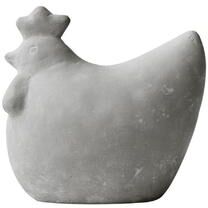
DBKD CONCRETE HEN Concrete - ConcreteFor those of you who's been around for a while this news is a dear old friend, but for the rest of you this is our new concrete hen, we like to call her Agda. Beautiful addition to your kitchen, dining room, or living room!25,70 $*Shipping: 0,00 $Secure redirect to the provider
-
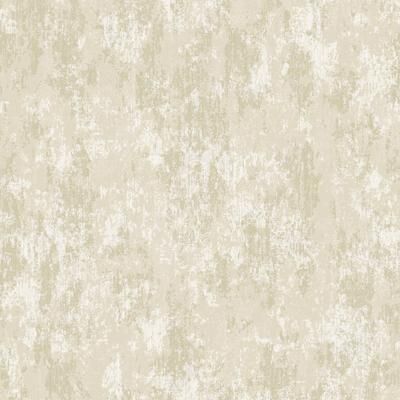
Galerie Wallcoverings Textures Collection Concrete Texture Matte Finish Vinyl on Non-woven Wallpaper RollThis marked plaster effect wallpaper is the perfect choice if you want to bring a room up to date in a dramatic way. With a subtle emboss to create some structural depth, it comes in an on-trend light grey color.196,00 $*Shipping: 0,00 $Secure redirect to the provider
-
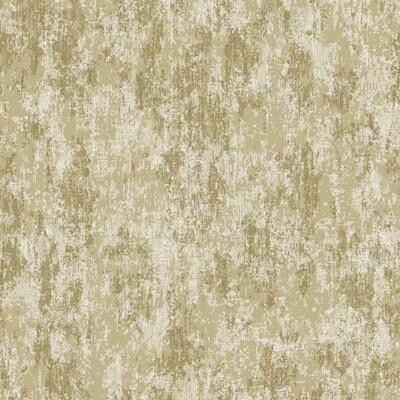
Galerie Wallcoverings The Loft Collection Concrete Effect Matte Finish Vinyl on Non-woven Wallpaper RollThe Loft Collection is a delightful contemporary collection of mainly textured wallcoverings and a stunning jungle leaf mural. Add an urban and metropolitan edge to your home interior with a high quality concrete texture design.196,00 $*Shipping: 0,00 $Secure redirect to the provider



-
How can I remove the non-load-bearing wall with reinforced concrete?
To remove a non-load-bearing wall with reinforced concrete, you will first need to assess the wall's construction and determine if it is truly non-load-bearing. If confirmed, you can begin by cutting the reinforcement bars using a concrete saw or grinder. Next, use a sledgehammer or jackhammer to break up the concrete wall into manageable pieces. Finally, remove the debris and clean up the area to ensure safety and proper disposal of materials. It is recommended to consult with a professional contractor or structural engineer before starting the demolition process to ensure it is done safely and correctly. **
-
How can one find non-digital hobbies?
One can find non-digital hobbies by exploring their interests and trying out different activities. This can include things like gardening, painting, knitting, cooking, or playing a musical instrument. Local community centers, hobby shops, and libraries often offer classes and workshops for various non-digital hobbies. Additionally, asking friends and family for recommendations or joining hobby groups can also help in discovering new non-digital hobbies. **
-
How do you apply concrete on concrete?
To apply concrete on concrete, the existing surface must be clean, free of debris, and properly moistened. A bonding agent or primer should be applied to the existing concrete to ensure adhesion. The fresh concrete mix can then be poured or pumped onto the existing surface and spread evenly using a screed or trowel. It is important to properly cure the new concrete to prevent cracking and ensure a strong bond between the two layers. **
-
Can you pour concrete over old concrete?
Yes, it is possible to pour new concrete over old concrete as long as the existing concrete is in good condition and properly prepared. The old concrete should be clean, free of any loose debris, and roughened to provide a good bonding surface for the new concrete. Additionally, a bonding agent may be used to ensure a strong bond between the old and new concrete. It is important to consult with a professional to assess the condition of the existing concrete and determine the best approach for pouring new concrete over it. **
Which concrete is better for setting lawn edging stones: concrete screed or garden concrete?
For setting lawn edging stones, garden concrete would be the better option. Garden concrete is specifically designed for outdoor use and is more durable and weather-resistant than concrete screed. It also has better adhesion properties, making it more suitable for securing the edging stones in place. Additionally, garden concrete is often formulated to be more resistant to cracking and shifting, which is important for maintaining the integrity of the lawn edging. **
What does the construction plan for a strip foundation with a non-load-bearing concrete slab look like?
The construction plan for a strip foundation with a non-load-bearing concrete slab typically includes the following steps: 1. Excavation of the ground to the required depth and width for the strip foundation. 2. Installation of formwork to define the edges of the concrete slab. 3. Pouring and leveling of the concrete for the strip foundation and the non-load-bearing slab. 4. Installation of reinforcement bars within the concrete to provide additional strength. 5. Curing of the concrete to ensure proper hardening and strength. Overall, the construction plan will detail the dimensions, materials, and processes required to create a stable and durable strip foundation with a non-load-bearing concrete slab. **
Top-Angebote
Products related to Non-concrete:
-
Galerie Wallcoverings Grunge Concrete Blocks Effect Non-woven Matte Wallpaper RollsInspired by the non-conformists who set a trend that ironically evolved into popular fashion and decor styles, Galerie Wallcoverings has created the brave and bold Grunge Collection.132,00 $*Shipping: 0,00 $Secure redirect to the provider
-
DBKD CONCRETE HEN Concrete - ConcreteFor those of you who's been around for a while this news is a dear old friend, but for the rest of you this is our new concrete hen, we like to call her Agda. Beautiful addition to your kitchen, dining room, or living room!25,70 $*Shipping: 0,00 $Secure redirect to the provider
-
Galerie Wallcoverings Textures Collection Concrete Texture Matte Finish Vinyl on Non-woven Wallpaper RollThis marked plaster effect wallpaper is the perfect choice if you want to bring a room up to date in a dramatic way. With a subtle emboss to create some structural depth, it comes in an on-trend light grey color.196,00 $*Shipping: 0,00 $Secure redirect to the provider
-
Which sealer for concrete is non-toxic?
One non-toxic sealer for concrete is a water-based acrylic sealer. This type of sealer is low in volatile organic compounds (VOCs) and is environmentally friendly. It provides a clear finish that protects the concrete surface without emitting harmful fumes. Water-based acrylic sealers are a popular choice for indoor concrete surfaces where non-toxicity is a priority. **
-
Which sealant for concrete is non-toxic?
One non-toxic sealant for concrete is a water-based acrylic sealant. This type of sealant is environmentally friendly and safe to use indoors. It provides a clear finish that protects the concrete surface without emitting harmful fumes or toxins. Water-based acrylic sealants are a popular choice for sealing concrete floors, countertops, and other surfaces in residential and commercial settings. **
-
How can I remove the non-load-bearing wall with reinforced concrete?
To remove a non-load-bearing wall with reinforced concrete, you will first need to assess the wall's construction and determine if it is truly non-load-bearing. If confirmed, you can begin by cutting the reinforcement bars using a concrete saw or grinder. Next, use a sledgehammer or jackhammer to break up the concrete wall into manageable pieces. Finally, remove the debris and clean up the area to ensure safety and proper disposal of materials. It is recommended to consult with a professional contractor or structural engineer before starting the demolition process to ensure it is done safely and correctly. **
-
How can one find non-digital hobbies?
One can find non-digital hobbies by exploring their interests and trying out different activities. This can include things like gardening, painting, knitting, cooking, or playing a musical instrument. Local community centers, hobby shops, and libraries often offer classes and workshops for various non-digital hobbies. Additionally, asking friends and family for recommendations or joining hobby groups can also help in discovering new non-digital hobbies. **
Similar search terms for Non-concrete
-
Galerie Wallcoverings The Loft Collection Concrete Effect Matte Finish Vinyl on Non-woven Wallpaper RollThe Loft Collection is a delightful contemporary collection of mainly textured wallcoverings and a stunning jungle leaf mural. Add an urban and metropolitan edge to your home interior with a high quality concrete texture design.196,00 $*Shipping: 0,00 $Secure redirect to the provider
-
How do you apply concrete on concrete?
To apply concrete on concrete, the existing surface must be clean, free of debris, and properly moistened. A bonding agent or primer should be applied to the existing concrete to ensure adhesion. The fresh concrete mix can then be poured or pumped onto the existing surface and spread evenly using a screed or trowel. It is important to properly cure the new concrete to prevent cracking and ensure a strong bond between the two layers. **
-
Can you pour concrete over old concrete?
Yes, it is possible to pour new concrete over old concrete as long as the existing concrete is in good condition and properly prepared. The old concrete should be clean, free of any loose debris, and roughened to provide a good bonding surface for the new concrete. Additionally, a bonding agent may be used to ensure a strong bond between the old and new concrete. It is important to consult with a professional to assess the condition of the existing concrete and determine the best approach for pouring new concrete over it. **
-
Which concrete is better for setting lawn edging stones: concrete screed or garden concrete?
For setting lawn edging stones, garden concrete would be the better option. Garden concrete is specifically designed for outdoor use and is more durable and weather-resistant than concrete screed. It also has better adhesion properties, making it more suitable for securing the edging stones in place. Additionally, garden concrete is often formulated to be more resistant to cracking and shifting, which is important for maintaining the integrity of the lawn edging. **
-
What does the construction plan for a strip foundation with a non-load-bearing concrete slab look like?
The construction plan for a strip foundation with a non-load-bearing concrete slab typically includes the following steps: 1. Excavation of the ground to the required depth and width for the strip foundation. 2. Installation of formwork to define the edges of the concrete slab. 3. Pouring and leveling of the concrete for the strip foundation and the non-load-bearing slab. 4. Installation of reinforcement bars within the concrete to provide additional strength. 5. Curing of the concrete to ensure proper hardening and strength. Overall, the construction plan will detail the dimensions, materials, and processes required to create a stable and durable strip foundation with a non-load-bearing concrete slab. **
* All prices are inclusive of VAT and, if applicable, plus shipping costs. The offer information is based on the details provided by the respective shop and is updated through automated processes. Real-time updates do not occur, so deviations can occur in individual cases. ** Note: Parts of this content were created by AI.