Buy omnichannel.eu ?
We are moving the project
omnichannel.eu .
Are you interested in purchasing the domain
omnichannel.eu ?
domain@kv-gmbh.de · 0541-91531010
Buy omnichannel.eu ?
What are sensory cells, sensory organs, and senses?
Sensory cells are specialized cells that detect and respond to specific stimuli, such as light, sound, touch, taste, and smell. These cells are found in sensory organs, which are structures in the body that contain sensory cells and are responsible for detecting and transmitting sensory information to the brain. The senses, on the other hand, are the physiological capacities of organisms that provide data for perception. They include sight, hearing, touch, taste, and smell, and are essential for experiencing and interacting with the environment. **
What is the difference between a primary sensory cell, a secondary sensory cell, and a sensory nerve cell?
Primary sensory cells are specialized cells that directly detect stimuli from the environment, such as light, sound, or touch. Secondary sensory cells receive signals from primary sensory cells and transmit them to the central nervous system. Sensory nerve cells, also known as sensory neurons, are responsible for transmitting the signals from secondary sensory cells to the brain, where they are processed and interpreted. In summary, primary sensory cells detect stimuli, secondary sensory cells relay the signals, and sensory nerve cells transmit the signals to the brain for processing. **

Similar search terms for Sensory
Top-Angebote
Products related to Sensory:
-
Uplift Essentials Jumbo Pure Natural Catnip Ball The Ultimate Sensory Experience 3.9 InTreat your cat to a concentrated burst of joy with our large natural catnip ball. Crafted from premium, compressed cat mint, this lickable toy is designed for intense sensory stimulation and selfrelieving play. Unlike small, flimsy toys, these...37,97 $*Shipping: 0,00 $Secure redirect to the provider
-
Smart Shopping Spot Falling Sticks Catch Toy, Sensory Integration Training, Reflex Challenge dark BlueEngage and Challenge Your Reflexes The Catch Sticks Game is a perfect blend of fun and skillbuilding, ideal for those looking to enhance their reaction training and reflex abilities. The game requires quick thinking and fast reflexes to catch...39,97 $*Shipping: 0,00 $Secure redirect to the provider
-
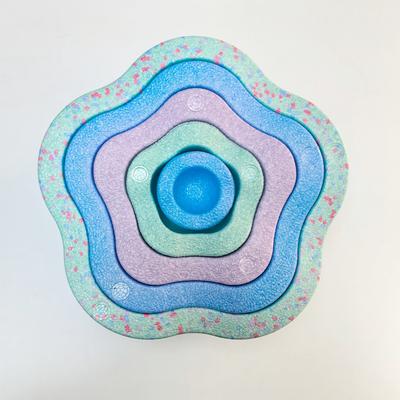
Smart Shopping Spot Sensory Integration Foam Toys, Kids Balance Stapstones, 5pcs Sports Balance Toys For Kids bBoost Your Child's Balance Skills Looking to help your child improve their physical balance and coordination Our Kids Balance Stapstones are designed to promote sensory integration and enhance motor skills. The foam structure makes them soft yet...39,97 $*Shipping: 0,00 $Secure redirect to the provider
-
Uplift Essentials Jumbo Pure Natural Catnip Ball The Ultimate Sensory Experience 3.1 InTreat your cat to a concentrated burst of joy with our large natural catnip ball. Crafted from premium, compressed cat mint, this lickable toy is designed for intense sensory stimulation and selfrelieving play. Unlike small, flimsy toys, these...36,97 $*Shipping: 0,00 $Secure redirect to the provider



-
Are receptors sensory cells?
Receptors are not sensory cells themselves, but they are specialized proteins located on the surface of sensory cells. These receptors are responsible for detecting and responding to specific stimuli, such as light, sound, taste, or smell. When a receptor is activated by a stimulus, it triggers a series of biochemical reactions within the sensory cell, ultimately leading to the generation of a sensory signal that can be transmitted to the brain for processing. Therefore, while receptors are not sensory cells, they play a crucial role in the sensory process by detecting and transducing stimuli into neural signals. **
-
What is sensory perception?
Sensory perception refers to the process of receiving and interpreting information from the environment through the senses. This includes the five main senses of sight, hearing, touch, taste, and smell, as well as other sensory experiences such as balance, proprioception, and temperature. The brain then processes this sensory information to create a perception of the world around us, allowing us to interact with and understand our surroundings. Sensory perception is essential for everyday functioning and plays a crucial role in how we experience and navigate the world. **
-
How are the sensory organs of a female shopkeeper in retail used?
The sensory organs of a female shopkeeper in retail are used to interact with customers and create a pleasant shopping experience. Her eyes are used to observe the store layout, product displays, and customer behavior. Her ears are used to listen to customer inquiries and feedback. Her sense of touch is used to handle merchandise and provide assistance to customers. Additionally, her sense of smell may be used to evaluate the ambiance of the store and ensure it is inviting to customers. Overall, the sensory organs of a female shopkeeper in retail are essential for effectively managing the store and providing excellent customer service. **
-
What room design objects are there in the daycare that promote sensory integration?
In a daycare, there are several room design objects that promote sensory integration, such as soft play mats, sensory tables with various textures and materials for tactile exploration, colorful and interactive wall panels for visual stimulation, and cozy reading nooks with soft pillows and textured fabrics for tactile input. Additionally, there may be sensory bins filled with items like rice, beans, or sand for tactile and visual exploration, as well as calming sensory corners with soft lighting and comfortable seating for children to relax and regulate their sensory input. These design objects are strategically placed throughout the daycare to provide opportunities for children to engage in sensory play and exploration, which can support their overall sensory integration and development. **


What are sensory nerve cells?
Sensory nerve cells, also known as sensory neurons, are specialized cells that transmit information from the body's sensory organs (such as the skin, eyes, ears, nose, and tongue) to the central nervous system. These cells are responsible for detecting various stimuli, such as touch, temperature, pain, and pressure, and converting these stimuli into electrical signals that can be interpreted by the brain. Sensory nerve cells play a crucial role in allowing us to perceive and respond to our environment. **
What are artificial sensory organs?
Artificial sensory organs are devices designed to mimic the functions of natural sensory organs, such as the eyes, ears, and skin. These devices use advanced technology to detect and process sensory information, allowing individuals to perceive and interact with their environment in a way that is similar to natural sensory organs. Artificial sensory organs have the potential to enhance or restore sensory capabilities for individuals with disabilities, as well as to provide new sensory experiences for people without impairments. These technologies have the potential to revolutionize healthcare and human-computer interaction. **
Top-Angebote
Products related to Sensory:
-
Shop Station Penguin Whack A Mole Toy Interactive Lawn Game For Kids & Sensory Integration Toy Penguin Whack A Mole Toy Interactive Lawn Game For Kids & Sensory Integration ToyTransform screen time into active outdoor play with an exciting challenge your children will ask to play every single day. This penguin whack a mole toy brings highenergy arcade action straight to your backyard, encouraging kids to step outside,...49,97 $*Shipping: 0,00 $Secure redirect to the provider
-
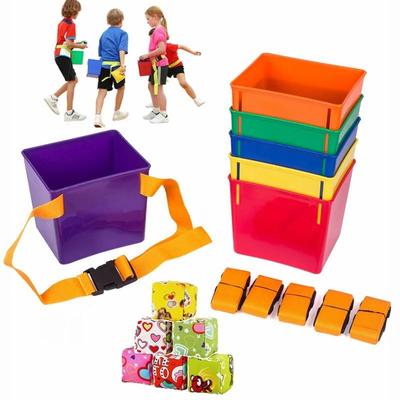
Multisell Products Hub Kids Outdoor Games Sensory Integration Toss Set For Family Party And Parent Child Activities Kids Outdoor Games Sensory Integration Toss Set For Family Party And Parent Child ActivitiesBring energy, laughter, and meaningful bonding into playtime with this 6 pcs engaging kids outdoor games set designed to keep children active and connected. This interactive tossing game combines fun and development, making it perfect for improving...69,97 $*Shipping: 0,00 $Secure redirect to the provider
-
Uplift Essentials Jumbo Pure Natural Catnip Ball The Ultimate Sensory Experience 3.9 InTreat your cat to a concentrated burst of joy with our large natural catnip ball. Crafted from premium, compressed cat mint, this lickable toy is designed for intense sensory stimulation and selfrelieving play. Unlike small, flimsy toys, these...37,97 $*Shipping: 0,00 $Secure redirect to the provider
-
Smart Shopping Spot Falling Sticks Catch Toy, Sensory Integration Training, Reflex Challenge dark BlueEngage and Challenge Your Reflexes The Catch Sticks Game is a perfect blend of fun and skillbuilding, ideal for those looking to enhance their reaction training and reflex abilities. The game requires quick thinking and fast reflexes to catch...39,97 $*Shipping: 0,00 $Secure redirect to the provider
-
What are sensory cells, sensory organs, and senses?
Sensory cells are specialized cells that detect and respond to specific stimuli, such as light, sound, touch, taste, and smell. These cells are found in sensory organs, which are structures in the body that contain sensory cells and are responsible for detecting and transmitting sensory information to the brain. The senses, on the other hand, are the physiological capacities of organisms that provide data for perception. They include sight, hearing, touch, taste, and smell, and are essential for experiencing and interacting with the environment. **
-
What is the difference between a primary sensory cell, a secondary sensory cell, and a sensory nerve cell?
Primary sensory cells are specialized cells that directly detect stimuli from the environment, such as light, sound, or touch. Secondary sensory cells receive signals from primary sensory cells and transmit them to the central nervous system. Sensory nerve cells, also known as sensory neurons, are responsible for transmitting the signals from secondary sensory cells to the brain, where they are processed and interpreted. In summary, primary sensory cells detect stimuli, secondary sensory cells relay the signals, and sensory nerve cells transmit the signals to the brain for processing. **
-
Are receptors sensory cells?
Receptors are not sensory cells themselves, but they are specialized proteins located on the surface of sensory cells. These receptors are responsible for detecting and responding to specific stimuli, such as light, sound, taste, or smell. When a receptor is activated by a stimulus, it triggers a series of biochemical reactions within the sensory cell, ultimately leading to the generation of a sensory signal that can be transmitted to the brain for processing. Therefore, while receptors are not sensory cells, they play a crucial role in the sensory process by detecting and transducing stimuli into neural signals. **
-
What is sensory perception?
Sensory perception refers to the process of receiving and interpreting information from the environment through the senses. This includes the five main senses of sight, hearing, touch, taste, and smell, as well as other sensory experiences such as balance, proprioception, and temperature. The brain then processes this sensory information to create a perception of the world around us, allowing us to interact with and understand our surroundings. Sensory perception is essential for everyday functioning and plays a crucial role in how we experience and navigate the world. **
Similar search terms for Sensory
-
Smart Shopping Spot Sensory Integration Foam Toys, Kids Balance Stapstones, 5pcs Sports Balance Toys For Kids bBoost Your Child's Balance Skills Looking to help your child improve their physical balance and coordination Our Kids Balance Stapstones are designed to promote sensory integration and enhance motor skills. The foam structure makes them soft yet...39,97 $*Shipping: 0,00 $Secure redirect to the provider
-
Uplift Essentials Jumbo Pure Natural Catnip Ball The Ultimate Sensory Experience 3.1 InTreat your cat to a concentrated burst of joy with our large natural catnip ball. Crafted from premium, compressed cat mint, this lickable toy is designed for intense sensory stimulation and selfrelieving play. Unlike small, flimsy toys, these...36,97 $*Shipping: 0,00 $Secure redirect to the provider
-
Uplift Essentials Jumbo Pure Natural Catnip Ball The Ultimate Sensory Experience 1.2 InTreat your cat to a concentrated burst of joy with our large natural catnip ball. Crafted from premium, compressed cat mint, this lickable toy is designed for intense sensory stimulation and selfrelieving play. Unlike small, flimsy toys, these...34,97 $*Shipping: 0,00 $Secure redirect to the provider
-
Uplift Essentials Jumbo Pure Natural Catnip Ball The Ultimate Sensory Experience 2 InTreat your cat to a concentrated burst of joy with our large natural catnip ball. Crafted from premium, compressed cat mint, this lickable toy is designed for intense sensory stimulation and selfrelieving play. Unlike small, flimsy toys, these...35,97 $*Shipping: 0,00 $Secure redirect to the provider
-
How are the sensory organs of a female shopkeeper in retail used?
The sensory organs of a female shopkeeper in retail are used to interact with customers and create a pleasant shopping experience. Her eyes are used to observe the store layout, product displays, and customer behavior. Her ears are used to listen to customer inquiries and feedback. Her sense of touch is used to handle merchandise and provide assistance to customers. Additionally, her sense of smell may be used to evaluate the ambiance of the store and ensure it is inviting to customers. Overall, the sensory organs of a female shopkeeper in retail are essential for effectively managing the store and providing excellent customer service. **
-
What room design objects are there in the daycare that promote sensory integration?
In a daycare, there are several room design objects that promote sensory integration, such as soft play mats, sensory tables with various textures and materials for tactile exploration, colorful and interactive wall panels for visual stimulation, and cozy reading nooks with soft pillows and textured fabrics for tactile input. Additionally, there may be sensory bins filled with items like rice, beans, or sand for tactile and visual exploration, as well as calming sensory corners with soft lighting and comfortable seating for children to relax and regulate their sensory input. These design objects are strategically placed throughout the daycare to provide opportunities for children to engage in sensory play and exploration, which can support their overall sensory integration and development. **
-
What are sensory nerve cells?
Sensory nerve cells, also known as sensory neurons, are specialized cells that transmit information from the body's sensory organs (such as the skin, eyes, ears, nose, and tongue) to the central nervous system. These cells are responsible for detecting various stimuli, such as touch, temperature, pain, and pressure, and converting these stimuli into electrical signals that can be interpreted by the brain. Sensory nerve cells play a crucial role in allowing us to perceive and respond to our environment. **
-
What are artificial sensory organs?
Artificial sensory organs are devices designed to mimic the functions of natural sensory organs, such as the eyes, ears, and skin. These devices use advanced technology to detect and process sensory information, allowing individuals to perceive and interact with their environment in a way that is similar to natural sensory organs. Artificial sensory organs have the potential to enhance or restore sensory capabilities for individuals with disabilities, as well as to provide new sensory experiences for people without impairments. These technologies have the potential to revolutionize healthcare and human-computer interaction. **
* All prices are inclusive of VAT and, if applicable, plus shipping costs. The offer information is based on the details provided by the respective shop and is updated through automated processes. Real-time updates do not occur, so deviations can occur in individual cases. ** Note: Parts of this content were created by AI.